
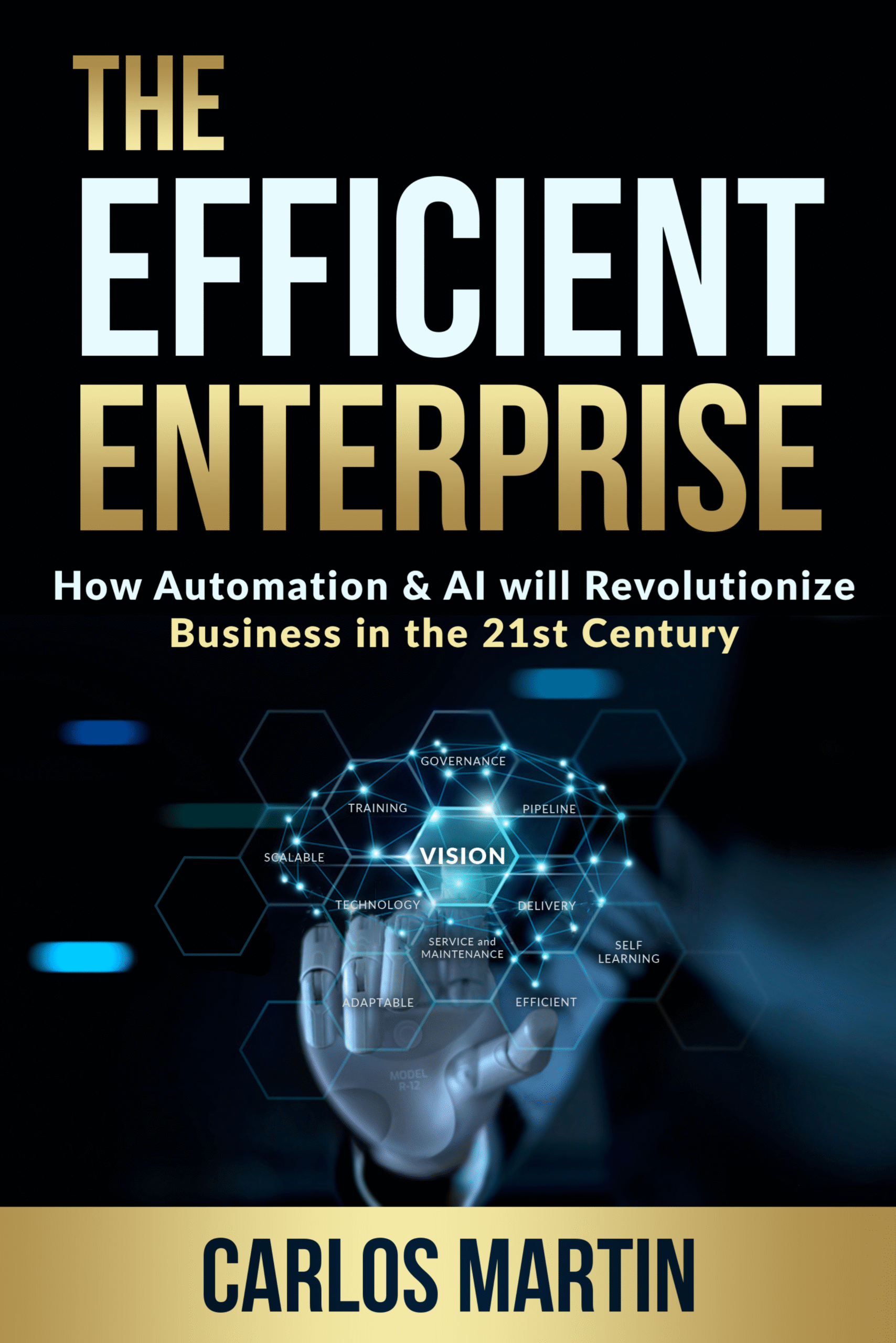
Efficient Enterprise
Core Premise
A simple mental model for aligning macro processes, departments, and P&L layers into one cube. Start from strategy, map the system, then measure, automate, and improve.

Method — Step-by-step
From Strategy to System
These are the guiding steps to implement the core model. Keep them lightweight; this is a wireframe so copy can be refined later.

Y: Macro Processes
X: Departments
Model — 3D mental model
The Cube, from Four Angles
Use these four perspectives to explain and validate the model with stakeholders. Replace placeholders with final illustrations later.
Axis legend
Y — Macro Processes: Acquire · Convert · Fulfill · Support · Retain
X — Departments: Marketing · Sales · Ops · Finance · HR · IT
Z — P&L Layers: Revenue · COGS · SG&A · R&D · CAPEX
Design note
Keep all image assets text‑free; use captions for labels. Cyan (#11b6f0) for data glows; gold (#d8c08a/#b68a2a) for emphasis.
Accessibility
Each illustration has a descriptive aria-label and visible caption. Maintain sufficient contrast for readers.
Next steps
Replace placeholders with final 3D/diagram renders; wire in anchors from other pages; add CTA to book/report as needed.